21/10/2026 – Outlast Interview - First Part — auf Deutsch lesen
Thermal comfort is performance
Thermal comfort should not be an afterthought, says Outlast CEO Martin Bentz, who argues it belongs to the start of product development.

Outlast CEO Martin Bentz. © Outlast
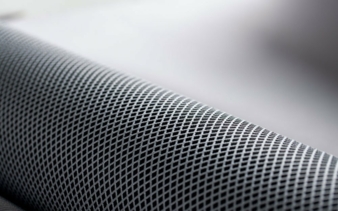
The Xelerate product line from Outlast is designed for products with the highest requirements on efficient temperature and moisture regulation – from bedding to outdoor clothing. © Outlast Technologies GmbH
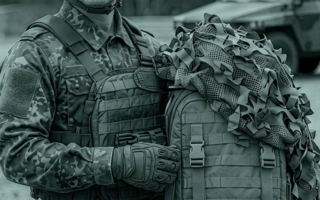
Modern soldier systems are becoming more advanced, more protective and more complex. But with every additional layer of equipment, the microclimate close to the body becomes more critical. Heat build-up, perspiration, cold bridges and loss of comfort can all affect endurance, concentration and operational readiness. Outlast Technologies addresses this challenge with textile technologies designed to support thermal balance, comfort and performance in demanding environments: Outlast Temperature Regulation and Aersulate high-performance insulation. In this interview, Martin Bentz, CEO of Outlast Technologies, explains why thermal comfort is becoming an increasingly important factor in military and protective textile systems.
Mr. Bentz, why is thermal management becoming such an important topic in modern soldier systems?
Modern protective clothing has to do many things at once. It must protect, support mobility, be durable, and often integrate with additional equipment such as body armor, backpacks, communication systems or load-bearing gear. This creates highly complex clothing systems. The challenge is that every additional layer also influences the microclimate close to the body. Heat can build up, moisture can accumulate, and the wearer may start to sweat even before the physical workload becomes extreme. In military environments, this is not just a comfort issue. Thermal stress can increase physical strain and may make it harder to stay focused over long periods. That is why we believe thermal comfort should be seen as part of operational performance. If the body is less distracted by overheating, sweating or chilling, the wearer has better conditions to remain comfortable, alert and ready to perform.
In many cases, textiles focus on moisture management. Why is that not always enough?
Moisture management is important, but it usually starts when perspiration is already there. The textile reacts to sweat by transporting it away from the skin. That can be useful, but it means the body has already entered a state of thermal imbalance. Our approach with Outlast Temperature Regulation is different. The technology is designed to act earlier. It helps absorb excess heat, store it and release it again when needed. The goal is to support a more balanced microclimate before the wearer becomes too hot or too cold. For military and protective applications, this can be highly relevant because wearers often move between different activity levels and environments. A soldier may stand still for a period of time, then suddenly become highly active, then return to a lower activity level. Textile systems must be able to support these transitions.
How does Outlast Temperature Regulation work in simple terms?
The technology is based on microencapsulated natural wax. These tiny capsules can absorb excess body heat when the wearer becomes too warm. When the body or the surrounding microclimate cools down again, the stored heat can be released back. This helps reduce temperature peaks and supports a more stable microclimate. It is not about making a textile cold. It is about creating a more balanced comfort zone. For the wearer, this can mean less overheating, less perspiration build-up and a more comfortable feeling during changing conditions. In some applications, tests have shown perspiration reduction of up to 48%, depending on product construction and use case. In demanding environments, this can contribute to reduced physical discomfort and better conditions for focus and endurance.
Where do you see the strongest potential for Outlast Temperature Regulation in military applications?
There are many possible areas. Base layers are an obvious example, because they are worn directly next to the skin and strongly influence the body's thermal perception. But the technology can also be relevant in linings, mid layers, gloves, socks, sleeping systems or textile components used under protective equipment. One interesting area is clothing worn under ballistic protection or other heavy gear. These systems often limit ventilation, which can make the microclimate more challenging. A textile technology that helps manage heat and moisture build-up can provide a real comfort benefit. We also see potential in situations with changing temperatures: moving between vehicles and outside environments, between heated indoor spaces and cold outdoor conditions, or between high activity and rest phases.